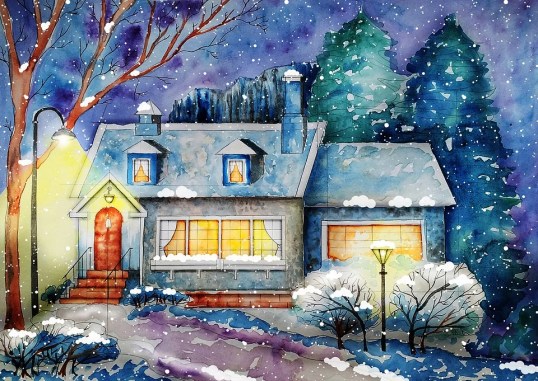
Winter weather can have a serious impact on a house, which is why it’s important to prepare properly for the season. Luckily, there are a few simple things you can do to ready your home for potential cold weather and wintery precipitation (and save money on heating bills).
#1 Replace home air filters
Dirty air filters will cause a furnace to work harder to heat your home.
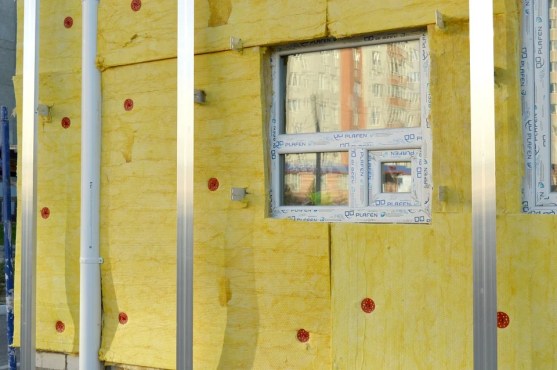
#2 Weather stripping to insulate a home and save money on heating costs
Sealing small gaps around doors and windows will keep a home warmer and save on energy bills. This can be an especially prevalent problem in older homes. Luckily, it’s an easy problem to fix and many people even like to do it themselves or hire a professional.
#3 Bring plants inside
Make sure to bring in potted plants that won’t be able to stand the colder weather.

#4 Check insulation
Often the majority of heat loss is through holes in the attic. Professionals can come check if your insulation has any major problems and tell you what can be done to decrease heat loss.
#5 Remove outdoor water hoses so they don’t freeze from excess water
Anything that’s had water running through it is at risk of damage when temperatures drop below freezing. Make sure to get them into storage or you may find them cracked and torn next time you go to use them.
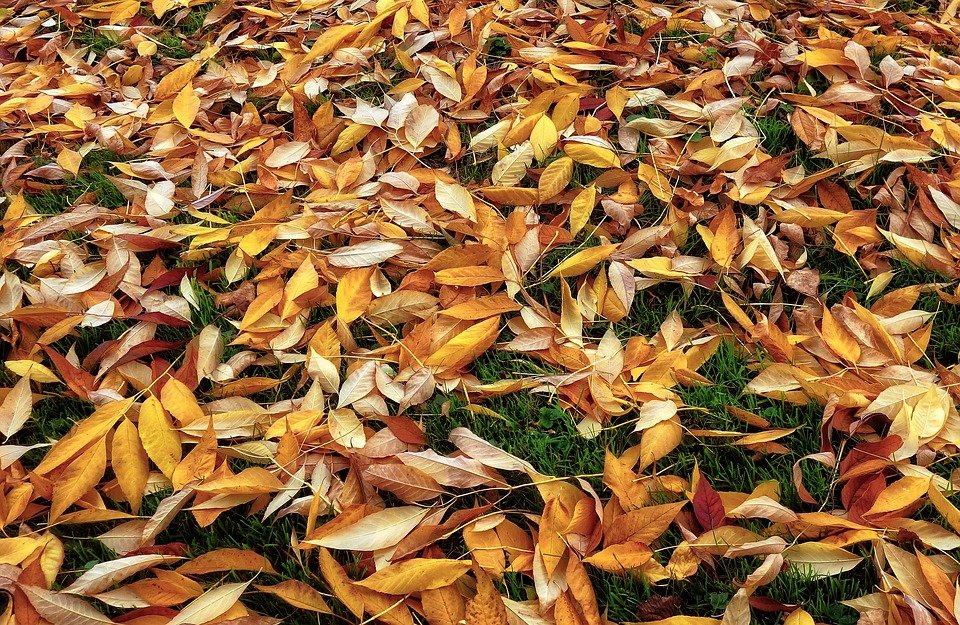
#6 Get all leaves off grass
Leaves left on the grass all winter long can end up killing grass. Make sure to blow off the lawn one last time.
#7 Remove final leaves from gutters
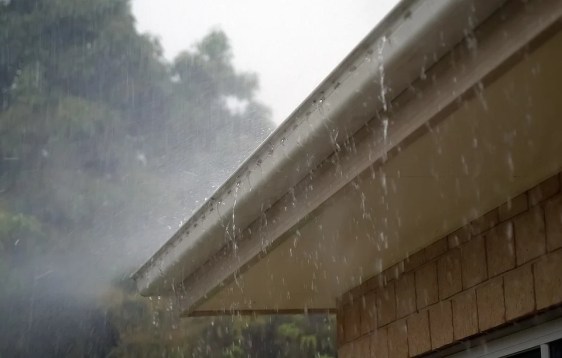
Now that the trees are bare it’s important to clean the gutters one final time. Excess leaves can present problems, especially if we get some wintry precipitation.
#8 Replace damaged patio stones and pavers
The natural freeze and thaw cycles of the soil in winter can push loose patio and paving stones further out of place.

#9 Remove dead and dying tree limbs
Dead branches can snap in winter if covered in snow or ice, potentially damaging your home. Have a tree service remove dead or dying limbs before the winter hits.
#10 Reverse ceiling fans
Reversing a fan causes it to rotate in a clockwise direction, pushing warm air back down. This is especially helpful in rooms with high ceilings. Make sure to switch it back in warmer months to draw warm air up and away.
#11 Check the fireplace
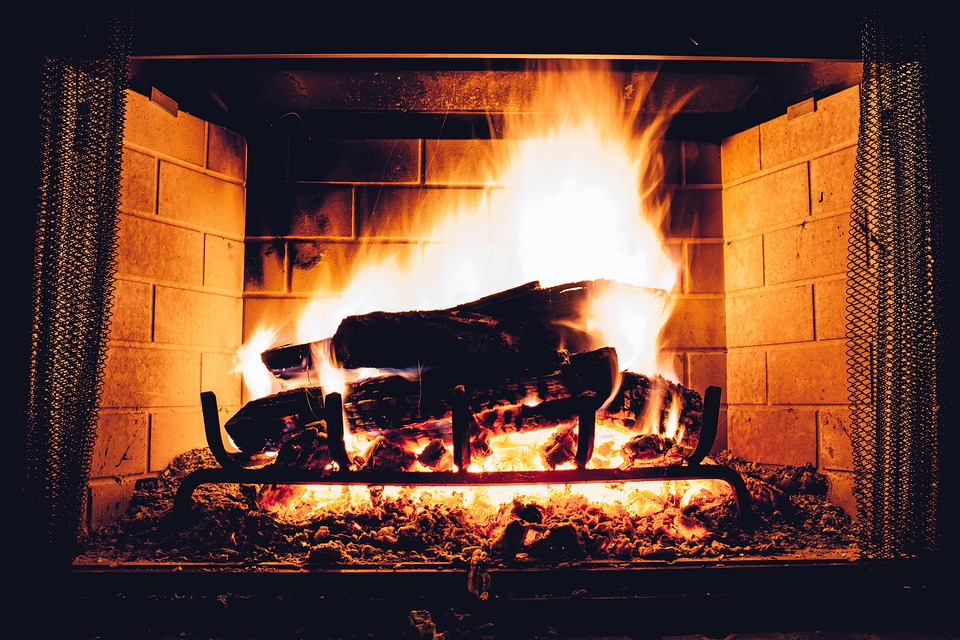
If you have a fireplace/chimney, and plan to use it, it’s important to make sure it functions properly. Use a flashlight to look up the chimney flue to check that the damper opens and closes properly. You can look up it in daylight to see if it is unobstructed by branches, leaves or a bird’s nest. You should see daylight at the top. You should have it professionally cleaned (though not as fun as Mary Poppins’s chimney sweeps!) each year if you use it often.
 Sharon Duckworth Gupton Real Estate Broker