A better credit score makes it easier to qualify for a home loan and easier to get a better rate. There are several ways to improve your credit score, which can end up saving you a lot of money.
Pay Bills on Time
Consistently paying your bills by their due dates is crucial. Late payments can significantly impact your score.
Reduce Credit Card Balances
Aim to keep your credit utilization ratio below 30%. This means using less than 30% of your available credit limit.
Only Apply For Credit You Need
Applying for more forms of credit can hurt your score and leave you open to overextending your spending.
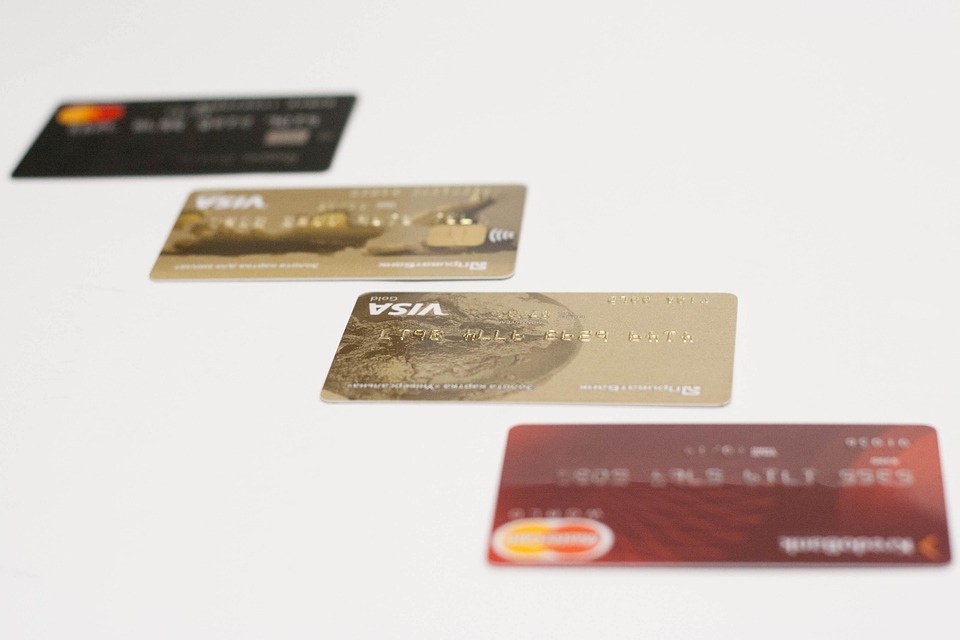
Avoid New Hard Inquiries
Limit the number of new credit applications. Each hard inquiry can temporarily lower your score.
Maintain Old Accounts
Keep older credit accounts open, as a longer credit history can positively affect your score. The age of your credit accounts can affect your credit scores.
Diversify Credit Types
Having a mix of credit types (credit cards, loans) can benefit your score, but only take on credit you can manage.

Check Your Credit Report
Visit AnnualCreditReport.com to request free credit reports from each of the three major credit bureaus: Equifax, Experian & TransUnion (best to request one each 4 months to track the year).
Regularly review your credit report for errors. Dispute any inaccuracies you find, as they can negatively affect your score.
Consider Credit Counseling
If you’re struggling with debt, seek help from a credit counseling service. They can provide personalized strategies for improvement. These steps can help you build a stronger credit profile over time.
Become an authorized user
Ask a trusted friend or family member to add you as an authorized user to their credit card account. The idea behind becoming an authorized user is that the primary cardholder’s responsible use for the account could help rebuild your credit. Check your credit report, if it doesn’t appear there, it can’t help.
Repay College Loans
On May 5 the federal government resumed collecting on defaulted student loans, ending a five-year pause that began during the pandemic. Many borrowers have not been made aware of the change and failing to pay can be detrimental to their credit scores. If you have student loans make sure to check on their status and pay back what you can to keep your score high.

 Sharon Duckworth Gupton Real Estate Broker